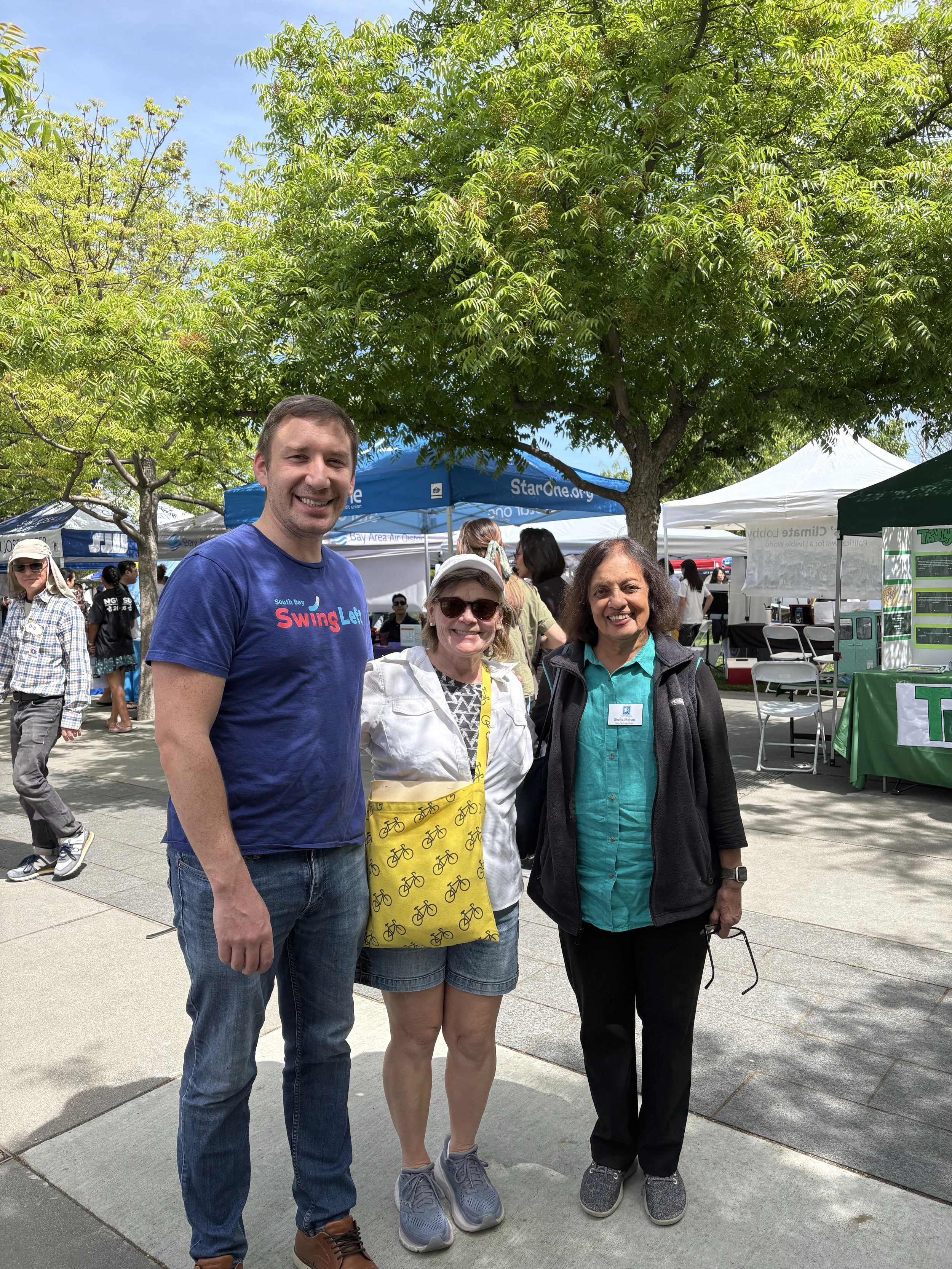
Housing, Transit, and Accessibility are Climate Friendly Issues
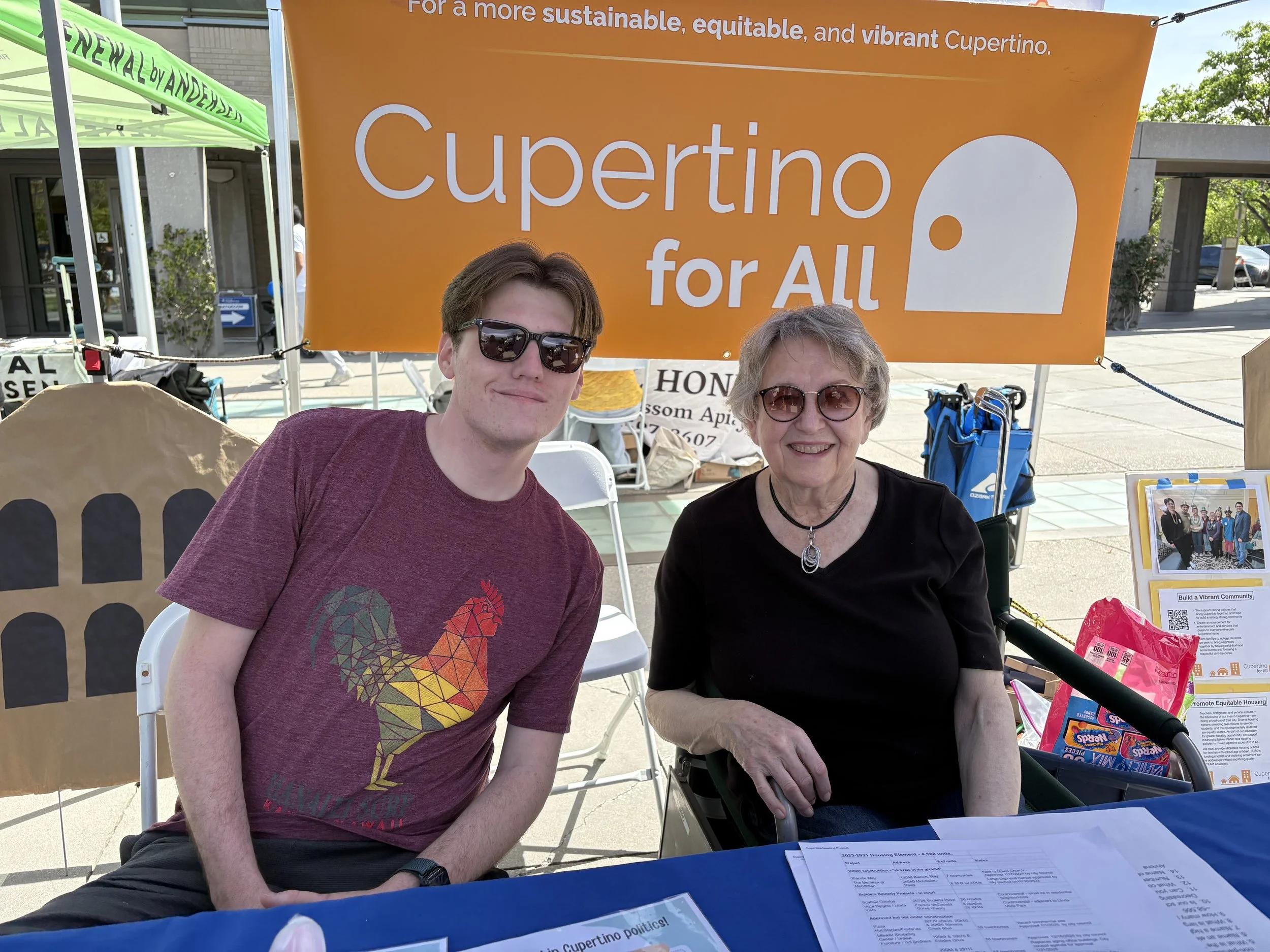
Cupertino For All was at the Earth and Arbor Day Festival on April 4, 2026. CFA advocates for creating an inclusive, vibrant, and sustainable future for our city. Planning a city with greater housing density near transit corridors is consistent with climate goals in many ways.
1. Encouraging infill development reduces the need for additional infrastructure.
2. Building housing near employment and services reduces vehicle miles traveled.
3. Pairing housing with robust bike and pedestrian routes reduces reliance on cars.
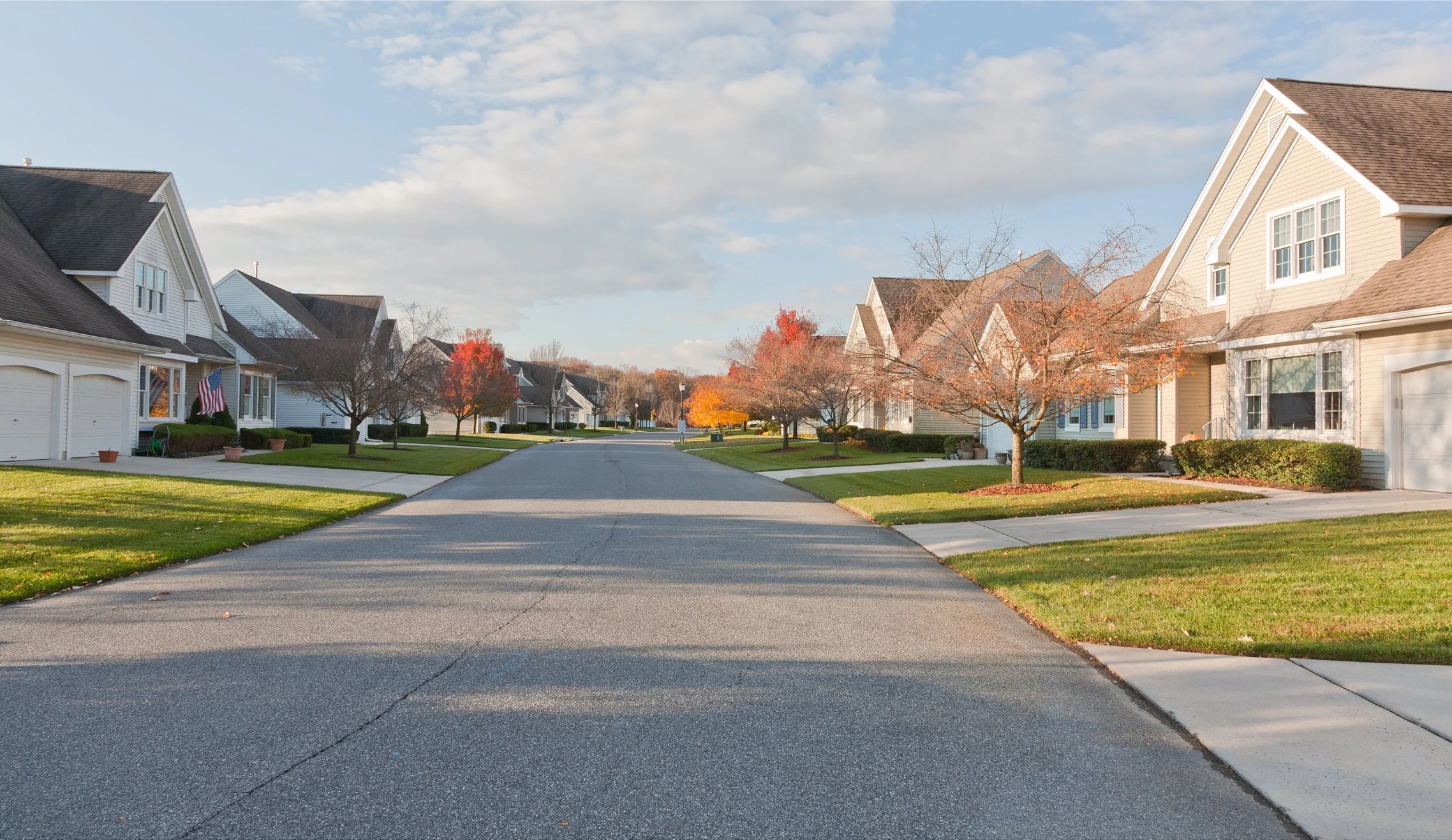
CFA has spoken up for new housing projects that will bring a broad demographic of new families while maintaining the character of the existing neighborhoods. We have advocated for moderate housing density near existing transit corridors to bring more students to our award-winning schools.
We have also spoken up for making our streets safer for pedestrians and bicycle riders. A connected city makes active transportation more viable, enhances neighborhood safety, and embraces an inclusive culture for all residents.
Finally, we promote every opportunity to prevent our existing neighbors from being priced out of our city. We need diverse housing options with real choices for teachers, workers, seniors, students, and developmentally disabled people. We also support meaningful below market rate housing policies to make Cupertino accessible to all.

Do new housing projects increase traffic? Not necessarily.
By Sam Cedar
Like many populous and pricey cities in California, Cupertino is reluctant to allow new housing developments. While residents cite many concerns, such as preserving neighborhood character or privacy, two recently approved housing developments have faced fierce opposition and lawsuits for a different reason: traffic.
The first example was related to the Mary Avenue Villas project, a 40-unit two story townhome project replacing the right-of-way along Mary Avenue. There, neighbors told San Jose Spotlight that they are anxious about the loss of on-street parking, which could spill over into the neighboring roads and limit space. One added, “Is this really the right spot to be building into the street because it’s so narrow?” Ultimately, the City Council approved the project amid allegations of ignoring administrative procedure, causing the residents of the Garden Gate neighborhood to sue the City.
The neighborhood pushback around traffic continued with a townhome development replacing five single-family homes on Evulich Ct. The project was approved by the city council, however the city was promptly sued by a concerned resident. The case alleges that if there were an emergency, the roads leading in and out of the area wouldn’t have enough capacity to accommodate emergency vehicles with all of the additional cars the development would bring. This was a concern echoed by many of the nearby residents. One told San Jose Spotlight, “We already are gridlocked here during school hours and commute hours…You add 51 (homes), that’s 100-odd cars and it’s just adding to the safety issues of the neighborhood.” Another added, “during the school time, it’s always very, very busy.”
Residents’ apprehension around new housing in Cupertino because of traffic is not unique to California. According to the Legislators Analyst Office, the problem of traffic is a statewide issue, with residents expressing concerns that “new housing—and the associated new residents—can exacerbate traffic congestion and parking shortages.” Ultimately, this neighborhood pushback can be very effective at stopping new construction. Half of the respondents in a survey sent to developers by USC researchers in 2021 said that “city councils/county boards of supervisors were either ‘a lot’ or ‘a great deal’ persuaded by public opposition arguments”, including arguments related to traffic. Thus, given the power of local residents to influence city council support/opposition for new developments, it is important to know whether the arguments they make are based in fact.
In a recent study, we assembled a dataset of 22 upcoming or approved projects for Cupertino’s current housing cycle, and calculated the change in individual trips, or cars on the road, across the entire city from the current developments. What we found contradicts the generally accepted idea that more housing means more traffic. Rather, traffic is actually expected to decrease from these 22 projects. Specifically, we will see a citywide net reduction of 1,143 trips per day. This reduction in traffic will be especially notable along Cupertino’s major corridors. Stevens Creek Boulevard is projected to have 3,814 fewer trips, and De Anza Boulevard will have a more modest decrease of 124 trips per day. How can it be possible that we are building new housing but reducing traffic?
The answer stems from the fact that a majority of Cupertino’s current housing projects are replacing existing high-traffic office and commercial buildings. such as Apple’s old offices in Stevens Creek Office Center, or United Furniture along Stevens Creek Boulevard. When these commercial or office centers are replaced, customers and workers, both living in and out of the city, no longer have any reason to come to those locations. For visitors, they may never enter the city at all, and residents may exit Cupertino to work or go shopping. In other words, the traffic goes elsewhere, leading to fewer cars on Cupertino’s roads. It is true that these housing developments replacing former commercial and office sites will generate some traffic from the people living there. However, our calculations show that the traffic from these townhome projects is often much less than the existing traffic from these commercial properties.
The loss of commercial spaces, and the traffic that comes with it, is a problem in its own right that the City has acknowledged. However, in order to preserve the larger suburban identity of Cupertino, the City has consistently opted to promote developments in the commercial areas of the City, leading to the retail displacement effect we are seeing now. Insofar as the City must continue to build new housing for California’s housing quota (RHNA), we will continue to see more commercial areas be rezoned for housing, and with it, a subsequent loss in traffic as well.
You can view the full study here.
Workforce Housing Project Scoring with Catalyze SV
Date: September 10, 2025
Time: 6:30 - 8:30 pm
Format: Virtual via Zoom
To Participate: Sign up for the committee here or email info@catalyzesiliconvalley.org
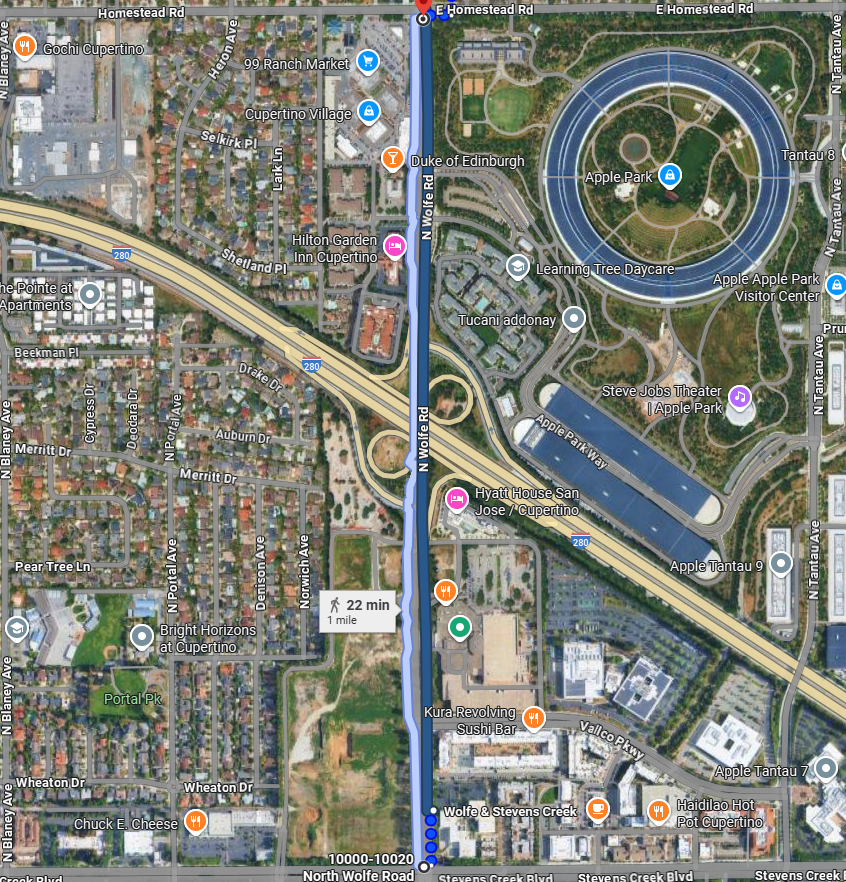
Project(s) we're evaluating: A 100% affordable housing project on Wolfe Road in Cupertino on land owned by the County of Santa Clara. We'll score this project alongside partner organization Cupertino for All.
COME BY!
Support Student Housing Near De Anza College

📬 Email the Board, Chancellor, President, and Cupertino Council TODAY to show your support for De Anza student housing! https://tinyurl.com/dahomesnow
Feb 12: Share your input on Educator Workforce Housing!
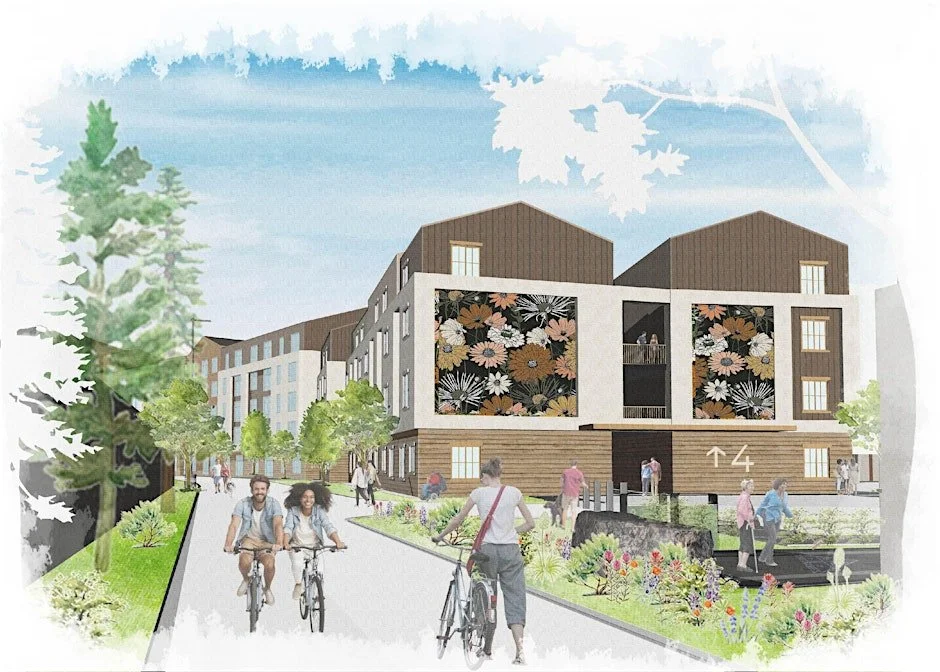
We’re excited to invite you to a community workshop to discuss the proposed mixed-income educator workforce housing at 10333 N Wolfe Road, Cupertino. This is your opportunity to learn about the initial design, share your feedback, and help shape the future of this important project!
Event Details:
📅 Wednesday, February 12, 2025
⏰ 6:00 - 7:30 PM (Open-house format)
📍 Collins Elementary School – Guided Learning Center (10300 N Blaney Avenue, Cupertino, CA 95014)
At the workshop, you’ll be able to:
✅ Learn about project updates and community-driven design elements
✅ Provide input on architectural style, amenities, and landscape design
✅ Understand how the project will serve local educators and school staff
Your voice matters! Join us to make a meaningful impact on this project.
🔗 Register here: wolferoadhousing.eventbrite.com
For more information, visit www.wolferoadhousing.com or contact info@wolferoadhousing.com.
We look forward to seeing you there!
Jan 25: Climate Change Forum
Join Cupertino For All at the upcoming Climate Change Forum hosted by Sunnyvale/Cupertino AAUW!

Date / Time: Saturday, January 25, 2025 from 1:00 - 3:30 PM
Location: Sunnyvale Presbyterian Church (728 W Fremont Ave, Sunnyvale, CA 94087)